Recycling and Sustainability for Flat Clearance Neasden
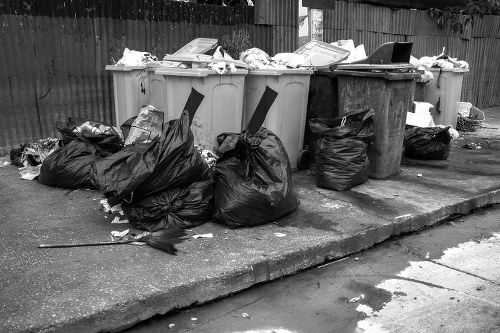 At Flat Clearance Neasden we place sustainability at the heart of every clearance. Our approach to an eco-friendly waste disposal area and creation of a truly sustainable rubbish area is practical and measurable. We combine careful on-site sorting, strategic reuse partnerships and low-emission transport to reduce landfill, cut carbon and give usable items a second life.
Our operational goal is to deliver reliable Neasden flat clearance services while meeting a clear environmental standard: we are aiming for a 70% recycling percentage target across all clearances within the next two years. This target covers all materials recovered from flats — from wood and metal to textiles and electrical goods — and includes ambitious milestones to increase reuse rates and reduce residual waste sent to disposal.
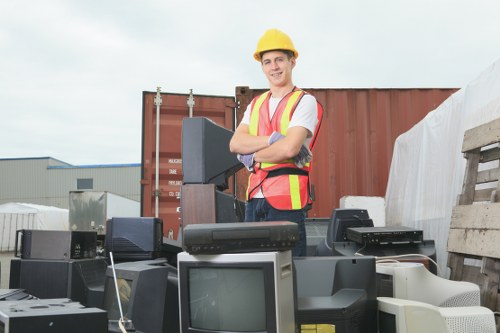 The borough's approach to waste separation aligns with our methods: residents and clients are encouraged to separate dry recyclable materials, food/organic waste and residual rubbish at source. We liaise closely with local transfer stations and licensed facilities that serve north-west London to ensure proper sorting and onward processing. Working with these transfer stations allows our Neasden flat clearance teams to direct materials to the correct recycling streams quickly, optimising an efficient, eco-friendly disposal flow.
We prioritise partnerships with charities and social enterprises to maximise reuse. Furniture, working appliances and textiles that are in good condition are offered to local charities, community groups and registered reuse centres before any consideration of recycling or disposal. These partnerships reduce waste, support local people in need and provide an ethical alternative to landfill for bulky items removed during a flat clearance in Neasden.
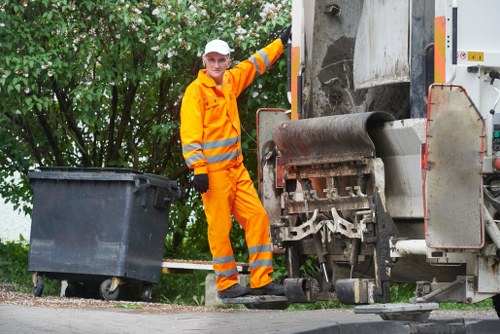 Our practical recycling activities for a sustainable rubbish area include coordinated reuse and specialist recycling for common household items. We work to divert these typical materials:
- Wood and furniture reuse or chipping for biomass where appropriate
- WEEE (electricals) sent to certified processors
- Textiles and clothing passed to community reuse schemes
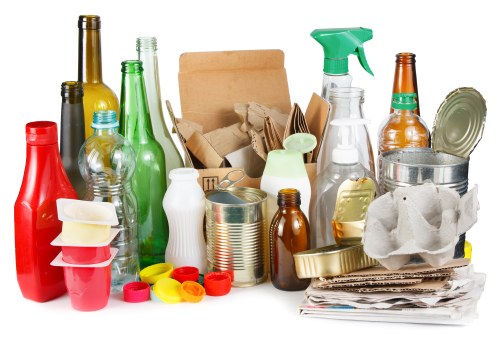
- Metals, glass and plastics separated into dry recycling streams
- Green garden waste and food waste routed to composting and anaerobic digestion facilities
These activities reflect a borough-conscious approach: clear separation of recyclable streams, targeted reuse of appliances and furniture, and secure handling of hazardous items such as batteries and fluorescent lamps. We emphasise traceability and compliance when managing all loads to the nearest appropriate transfer station or processing centre.
Low-carbon logistics are an essential part of our sustainability plan. Our fleet includes low-carbon vans — electric and hybrid vehicles — and we continue to expand this fleet as infrastructure and availability improve. Route planning software, consolidation of loads and scheduled collections for multiple clearances in one trip help cut emissions. We track vehicle kilometres and associated emissions to measure reductions over time and to validate progress toward our carbon objectives.
Local transfer stations and operational transparency
We maintain strong, documented links with authorised local transfer stations and processing centres that accept sorted loads from Neasden clearances. By using these facilities, we ensure that each material type reaches the right recycling chain quickly. Transparency is critical: every load is recorded, weighed and the destination recorded to help measure our recycling percentage targets and to report on progress internally.
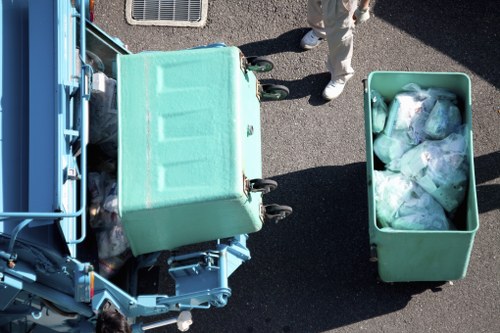 Working with charities is central to our reuse-first philosophy. We regularly coordinate drop-offs and collections with charity partners that specialise in furniture and household goods, enabling larger items to be rehomed within the community. These charity partnerships both support local causes and reduce the environmental footprint of a flat clearance. When items are unsuitable for reuse, we route them to certified recycling facilities to recover materials and reduce the amount going to landfill.
 Our
Our
commitment to community and continuous improvement
includes regular audits, performance reviews and community engagement. We share best practice with neighbours and stakeholders about how to maintain an effective, sustainable rubbish area and an eco-friendly waste disposal area in communal settings. By promoting consistent source separation—dry recyclables, organics, and residual waste—and investing in low-carbon vans and efficient transfer logistics, we help Neasden move toward a circular approach to household and flat clearance waste.In summary, Flat Clearance Neasden combines a strong recycling percentage target, collaboration with local transfer stations, active charity partnerships and a growing low-emission fleet to deliver responsible, sustainable flat clearance. We are committed to continuous improvement, reporting on outcomes and evolving our practices so that every clearance supports a greener local environment and a resilient, community-focused reuse economy.