Complaints Procedure for Flat Clearance Neasden Services
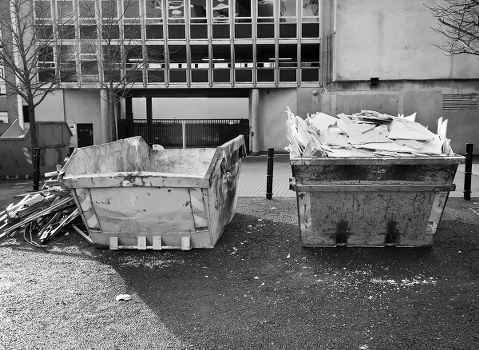 Purpose: This document sets out the complaints procedure for customers using flat clearance and rubbish removal services in the Neasden area. It is designed to be clear, accessible and fair, giving customers a step-by-step outline of how concerns are handled. Our aim is to resolve issues promptly while ensuring transparency about the stages of investigation and the remedies available.
Scope and applicability
This policy applies to all levels of service related to flat clearance, apartment removal and associated waste collection work. It covers complaints about scheduling, handling of items, perceived damage, standard of service and disposal practices. It does not replace statutory rights or formal legal procedures. Who can raise a complaint: Complaints may be submitted by the person who contracted the flat-clearance service, an authorised representative of the client, or any affected party with a demonstrable interest in the specific service instance. Ambiguities about standing will be clarified during the initial assessment.
How to make a complaint
Complaints should be made in writing where possible and should include a clear description of the issue, relevant dates, and any supporting evidence such as photographs or booking references. Please provide a sequence of events and the desired outcome so that the investigation can be focused and efficient.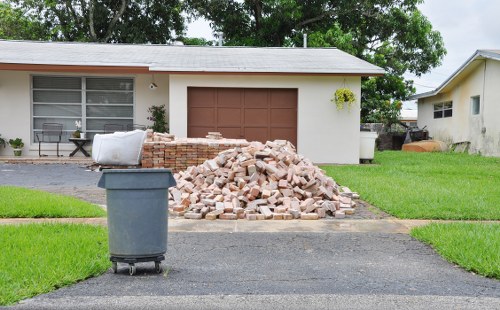
Initial acknowledgement and timescales
On receipt, complaints are logged and an acknowledgement will be issued. Acknowledgement normally occurs within three working days. The standard target for a full response is 15 working days. If further investigation is required, an interim response will be provided explaining the reason for the delay and the anticipated timeframe for resolution.Information we will consider includes, but is not limited to:
- Booking and job reference details
- Photographic or video evidence of condition before and after clearance
- Witness statements where relevant
- Invoices, receipts and waste transfer documentation
During the investigation, steps will include a review of operational records, interviews with crew members, and inspection of any available photographic evidence. If appropriate, an independent assessor may be asked to review the case. Investigators will seek to be impartial and will record the rationale for each finding.

Outcome and remedies
Where a complaint is upheld, remedies may include a partial or full refund, a credit toward future services, re-performance of the work at no additional charge, or reimbursement for agreed reasonable costs incurred as a direct result of the service failure. Remedies are applied proportionately to the nature and impact of the problem. Escalation process: If a complainant is dissatisfied with the outcome, they may request an internal review. An internal review will be conducted by a senior manager not involved in the original decision. Reviews will be completed within 20 working days where reasonably practicable. This internal review is the final stage of the company’s internal complaints process.
Record keeping and confidentiality: All complaints and related documentation are recorded in a secure log retained for an appropriate retention period in line with operational and regulatory requirements. Personal data used in complaint handling is processed in accordance with applicable data protection standards and only shared with third parties when necessary for the purpose of investigation or required by law.
Monitoring and continuous improvement: Complaints are reviewed periodically to identify trends and recurring issues. Outcomes from these reviews are used to improve operational training, service standards and customer communications. This continuous improvement approach ensures that lessons learned are translated into practical changes.
Limits and exclusions: This procedure does not cover matters that are the subject of court proceedings, insurance claims or formal regulatory investigations. It also excludes disputes over matters that were expressly agreed in writing at the time of booking (for example, agreed pricing for specialised disposal). For issues relating to health and safety incidents, the company’s incident reporting and legal obligations will take precedence.
Final notes
The company is committed to providing a fair and proportionate complaints handling process for all customers using flat clearance, rubbish removal and related services. Clear communication, a timely investigation and proportionate remedies are core principles of this procedure.All parties involved in a complaint are expected to cooperate reasonably during the investigation. Where third-party suppliers or contractors are implicated, the company will liaise with those parties as necessary to resolve the matter. This structured approach helps protect customer interests and maintains service standards across the service area.
These procedures are periodically reviewed and may be updated to reflect operational changes, legal requirements or best practice. This version sets out the standard process applicable to flat clearance and waste removal services in the locality and is intended to provide a clear pathway for resolution.