Health and Safety Policy for Flat Clearance Neasden
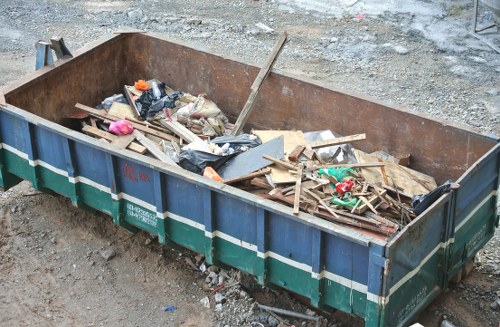 Purpose: This Health and Safety policy sets out the commitment of Flat Clearance Neasden to deliver safe, compliant and efficient flat clearance and rubbish removal services. It establishes principles to protect staff, clients, contractors and members of the public during all clearance, rubbish collection and waste disposal activities. The policy applies to every worker and contractor engaged in flat clearance, house clearance, loft clearance and related rubbish clearance operations.
Scope: The scope covers premises assessments, vehicle operations, manual handling, hazardous materials handling, on-site visitor safety and waste transport. All employees must follow this policy while performing rubbish removal, rubbish clearance and removal services to ensure consistent standards across our service area.
 Objectives: The primary objectives are to prevent injuries and ill health, reduce environmental risk, comply with statutory requirements, and promote a safety culture where hazards are reported and controlled. The company aims to minimise risk during flat clearance works through risk assessments, safe systems of work and ongoing training.
Roles and Responsibilities
Management will provide the resources and leadership necessary to maintain a robust safety management system. Supervisors are responsible for on-site safety briefings, ensuring staff use appropriate personal protective equipment (PPE) and that vehicles and equipment are maintained. Employees must follow instructions and report hazards promptly.Key duties include maintaining a safe work environment, ensuring that rubbish removal teams understand waste segregation rules and that all manual handling follows safe-lifting techniques. The company requires contractors to present evidence of competence before work begins and to follow established site safety rules.

Risk Assessment and Safe Systems
Risk assessments are carried out for each clearance job, considering access, stairways, elevator use, structural risks and the nature of items being removed. Safe systems of work are documented and shared with teams prior to job commencement. Typical control measures include cordoning off work areas, using mechanical aids where possible and planning vehicle movements to reduce public exposure.Personal protective equipment (PPE) is mandatory where identified by risk assessment. Standard equipment includes gloves, high-visibility clothing, safety boots and dust masks. For potentially hazardous materials — such as batteries, solvents or asbestos-containing items — additional specialist controls and licenced contractors will be used. Staff are trained to identify suspected hazardous waste and to follow emergency procedures if encountered.
Vehicle safety and load security: all vans and trucks used for rubbish collection and flat clearance must be inspected before use. Loads are to be secured to prevent shifting and debris escape. Drivers must follow safe driving practices, confirm vehicle manifests and ensure that waste is transported to authorised facilities in accordance with regulatory requirements.
Manual handling: teams receive instruction in risk-aware lifting, team lifts for bulky items and the use of trolleys, hoists and other lifting aids. Strong emphasis is placed on avoiding solo lifts of heavy furniture and applying mechanical assistance where required to prevent musculoskeletal injuries.
Emergency procedures and first aid: each site has an appointed first aider and access to first-aid kits. Emergency routes and assembly points are identified during pre-start briefings. In the event of an incident, staff must secure the scene, administer or summon first aid and follow incident reporting protocols for prompt investigation.
Incident reporting and investigation: all accidents, near-misses and unsafe conditions must be reported without delay. The company conducts investigations to identify root causes and implements corrective actions to prevent recurrence. Records of incidents, training and equipment inspections are maintained for monitoring and continuous improvement.
 Customer and Site Safety: When operating on client premises, teams ensure safe access and minimise disruption to occupants. Areas where rubbish is collected are kept tidy, with clear walkways and secure staging points for bulky items. Staff communicate site hazards to residents and make reasonable efforts to protect property and shared spaces during clearance work.
 Environmental and Waste Management Commitment: The company commits to responsible waste management by segregating recyclables, donating reusable items where appropriate and disposing of residual waste at licensed facilities. Where possible, reclaimed items are diverted from landfill to reduce environmental impact and support sustainable clearance practices.
Training and competence: ongoing training programmes ensure staff remain competent in safe clearance techniques, waste classification, hazardous material awareness and vehicle operation. Performance is reviewed through toolbox talks, practical assessments and periodic audits to reinforce best practices in rubbish clearance and removal services.
Policy review and continual improvement: This policy is reviewed at least annually or following significant incidents or legislative changes. Management and teams are committed to continual improvement through regular reviews, audits and feedback mechanisms aimed at enhancing safety outcomes and service quality across the rubbish collection and flat clearance service area.
Commitment: Flat Clearance Neasden is dedicated to maintaining a safe working environment for staff, clients and the public. By implementing these procedures, providing training and promoting a culture of safety, the company strives to deliver reliable and safe flat clearance, rubbish removal and waste management services with professionalism and care.